Spinel
Spinel was long taken for ruby, even among the British Crown Jewels. Connoisseurs now seek it for its own sake.
Maiwis editorial team
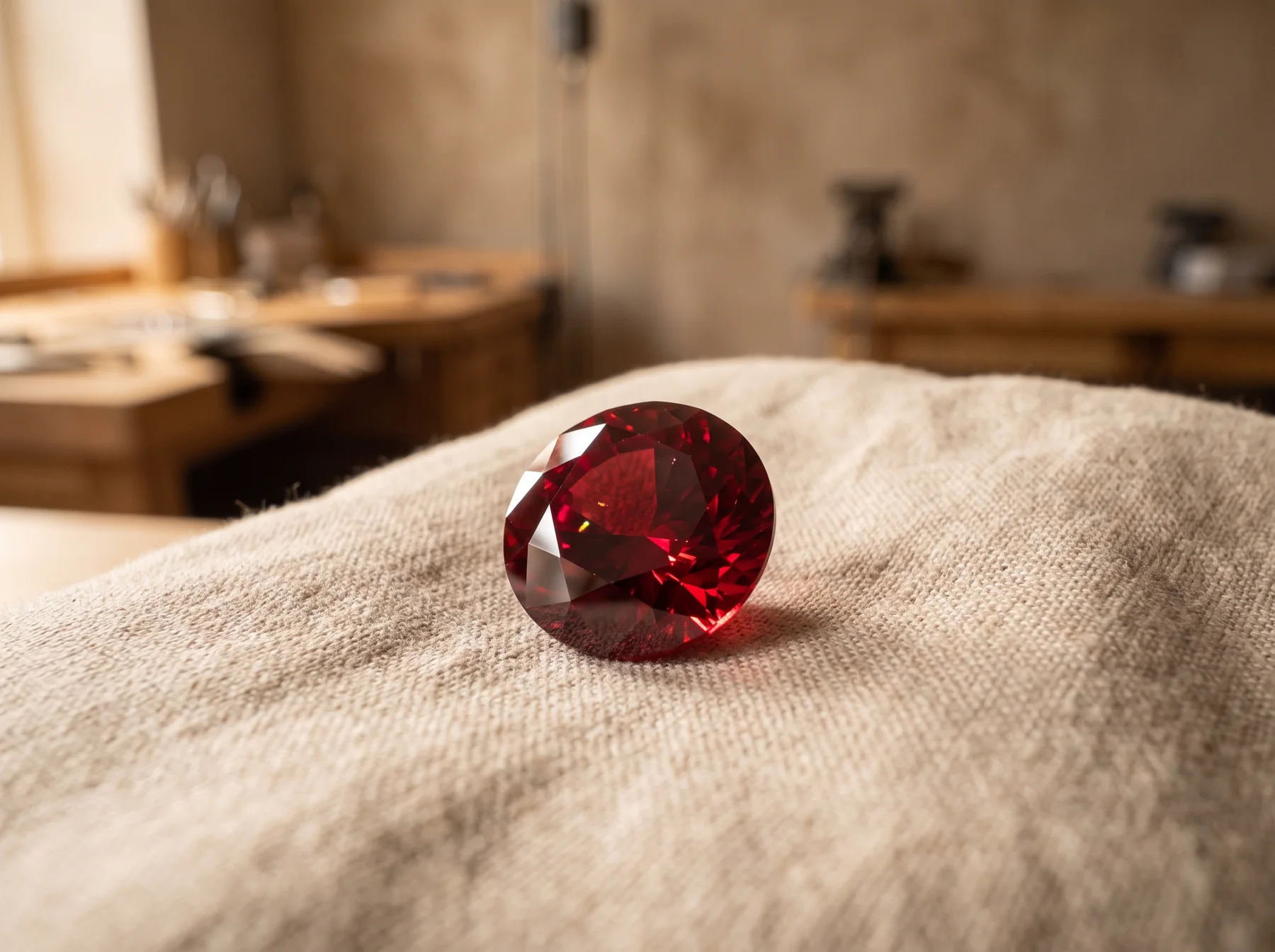
A stone long mistaken for another
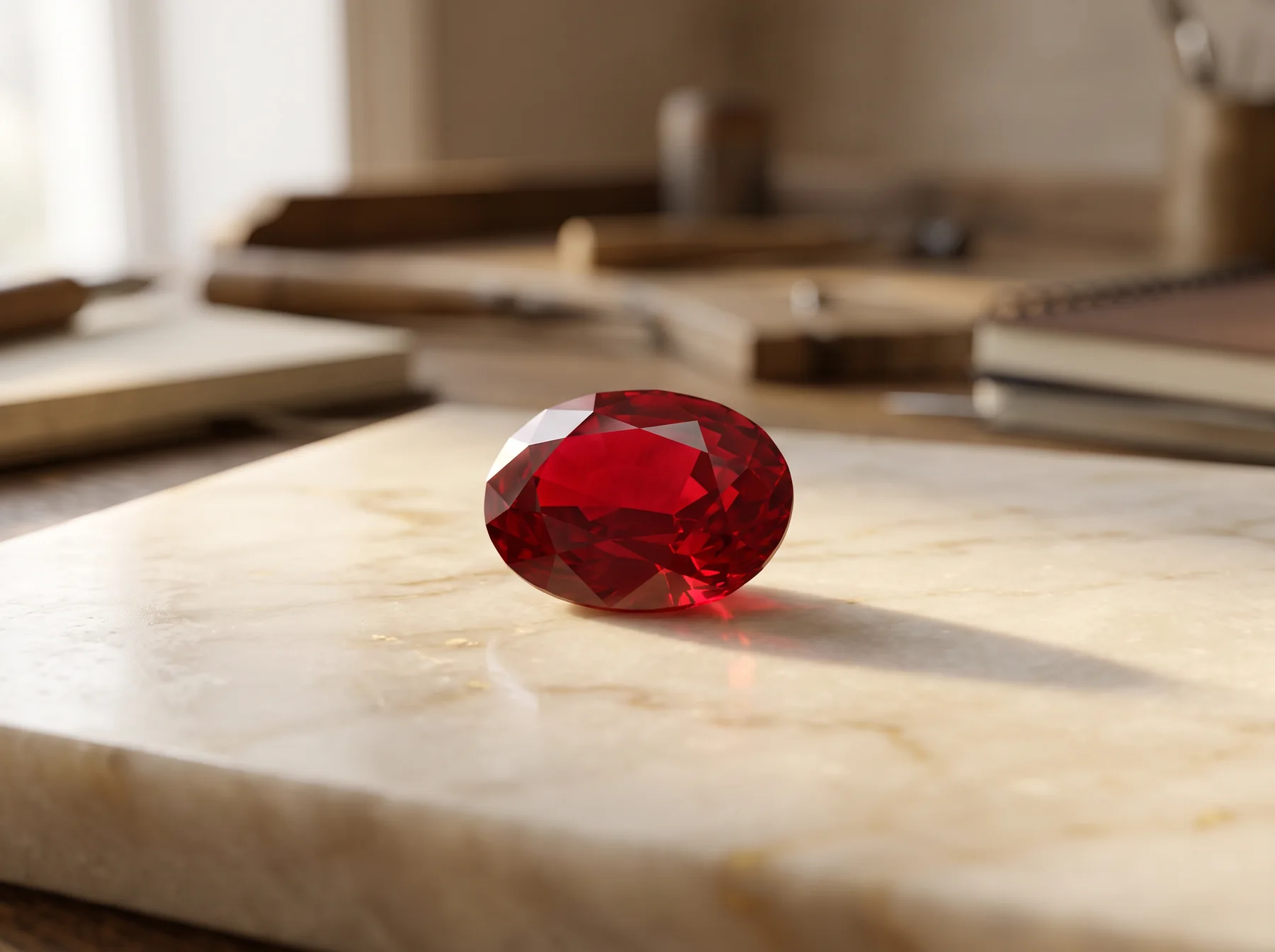
For centuries, red spinels were taken for rubies. The royal jewels bear this out: the famous “Black Prince’s Ruby”, set on the British Imperial State Crown, is a spinel. The spinels from Badakhshan, in Central Asia, were once called “balas rubies”.
It took the methods of modern gemmology to tell the two stones clearly apart. Spinel has kept from this history an aura of connoisseurs’ stone.
What gives a spinel its value
| Criterion | What we look at |
|---|---|
| Colour | A vivid red, an intense pink or a pure blue. Greyish or too dark shades are worth less. |
| Clarity | Spinel is often very clean. We expect a stone with no visible inclusion. |
| Brilliance | Well cut, spinel offers a lively brilliance, much appreciated. |
| Weight | Quality spinels beyond a few carats are rare. |
| Treatment | Generally none. The report confirms it. |
Origins
Burma, around Mogok, has produced red and pink spinels of great reputation. Tanzania yields particularly vivid pinks and reds in the Mahenge region, revealed by a major discovery in 2007. Vietnam, around Luc Yen, is known for its pinks, violets and rare blues. They are also found in Sri Lanka.
Treatments
Most spinels are untreated, which makes them a favourite of those who like natural stones. Heating exists but is uncommon. The laboratory report states whether any treatment is present.
Choosing a spinel
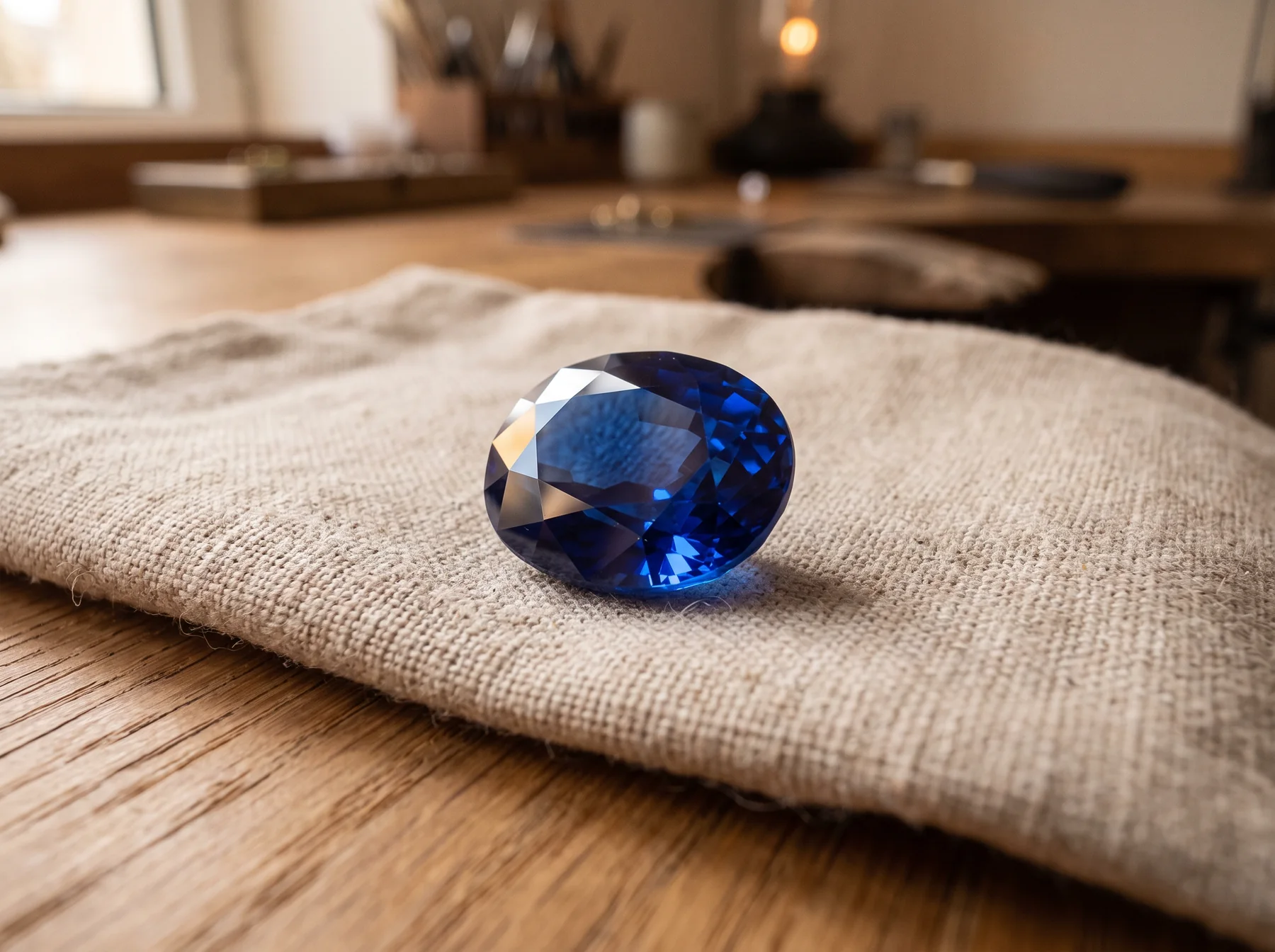
For a first spinel, a vivid pink or a luminous red offers a very good balance. Blue spinel coloured by cobalt is a collector’s stone, rare and sought after. In every case, have the nature of the stone checked by a laboratory, because synthetic spinel exists.
Spinel: the weight and cut you choose
The House does not hold a fixed stock. You describe what you are looking for, we search through our sources and present a short selection.
The weight
From a few tenths of a carat up to major collector pieces. Give us a range, for example 2 to 3 carats.
The cut
Oval, cushion, emerald cut, round, pear, heart, radiant or cabochon: the shape is chosen according to the jewel you will have made.
The colour
The shade, the intensity and the treatments you accept or exclude. The more precise the request, the faster the search.
As soon as a stone matches, we send you its photographs, a video, its laboratory report and its price, with no obligation. You then decide. The House supplies the exceptional stone; the jewel is made by the jeweller of your choice. Orders are taken worldwide, and stones can be viewed in person in Paris, by appointment.
Place an orderFrequently asked questions
How do you tell a spinel from a ruby?
By eye it is often impossible. A laboratory tells them apart without difficulty: the two stones have neither the same crystal structure nor the same optical properties.
Is spinel cheaper than ruby?
At comparable appearance, a spinel generally costs less than a ruby. The finest red spinels and the cobalt blues do reach high prices, however, because they are very rare.
Is spinel suitable for a ring?
Yes. With a hardness of 8, it wears very well day to day.